
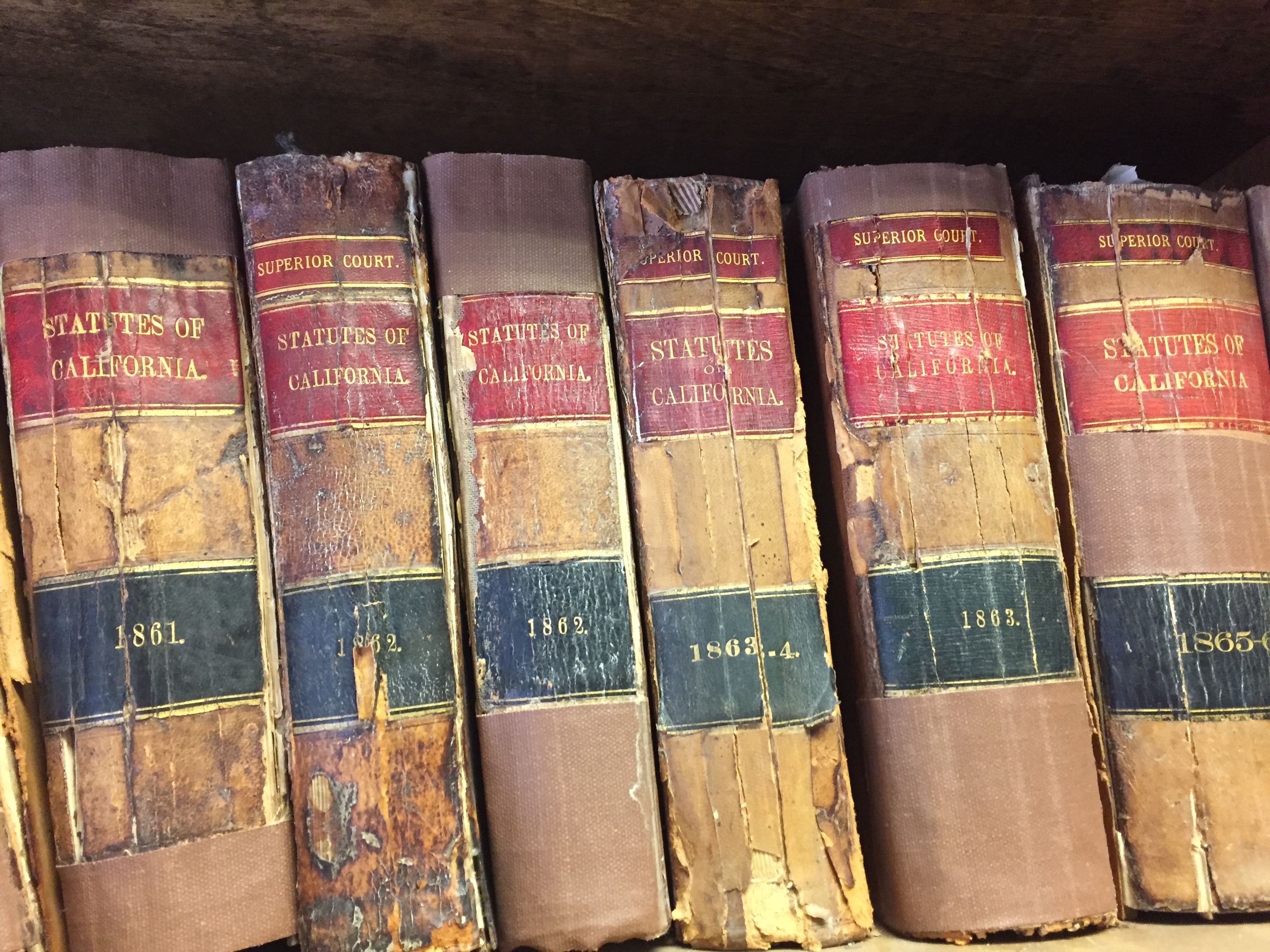
Do you find yourself asking “What is Legislative Intent?” At Legislative Intent Service, Inc., we can answer that question for you because providing legislative intent materials is what we do and we have been doing it since 1974.
Legislative intent is the term that the courts have given to their analysis of the historical documents originally generated when the statute in question was under consideration in the Legislature—state or Federal.
Whenever the interpretation of a legislative enactment becomes an issue in a case, the courts will commonly resort to the Rules of Statutory Construction to determine the proper application of the statutory language to the facts at hand. In applying the Rules of Statutory Construction, the courts of California, as well as those of most other jurisdictions, have routinely held that the “cardinal” principle of statutory construction is that the court must choose that interpretation that most nearly effectuates the purpose of the Legislature.
The Court determines the Legislature’s intention by examining the problem faced by the Legislature when it considered the bill that enacted the language in question, the public policy issues that the problem raised and the drafting solutions that emerged during legislative consideration of the bill.
The evidence that the courts have used to assist them in making this determination has come from the legislative documents that were prepared before, during and sometimes immediately after the bill in question moved through the legislative process.
For statutory and case law on construing legislative intent see our State Points and Authorities page and our Federal Points and Authorities page.
If you still find yourself asking, “What is legislative intent?” please Contact Us. We welcome any questions.